To make our living spaces higher quality and more comfortable, we need to protect our buildings, offices, or similar living areas against weather conditions, temperature differences, wind, rain, and snow. Thermal insulation is an application implemented to use energy more efficiently and save energy. Exterior thermal insulation (mantolama) is a building application that ensures the efficient use of energy and prevents environmental pollution.
What is exterior thermal insulation? In simplest terms, it is the process of covering the exterior surface of a building with composite insulation materials. The main purpose of exterior insulation is to provide thermal insulation. Heat, which is a form of energy, escapes from a warmer place to a cooler place between two different environments with two different temperatures.
This escape increases heating expenses and the amount of energy used. At the end of the day, a building without exterior insulation faces heating problems because it does not use energy efficiently, and the amount of energy it spends for heating increases. Using energy efficiently means using it smartly. It means implementing insulation applications to reduce energy costs and prevent heat losses. Getting exterior insulation means protecting the exterior surface of the building from weather conditions such as wind, snow, and rain caused by hot and cold weather. Most importantly, getting exterior insulation means heating up with high quality.
Source : https://www.kaleyapiyalitim.com.tr/mantolama/
According to a research, a significant portion of heat losses in buildings originate from exterior walls. Exterior walls are followed by areas such as roofs, windows, and doors. With the exterior insulation application that allows people to have more comfortable living spaces, heat is prevented from escaping through areas such as exterior walls, roofs, and doors/windows, thereby reducing heat losses. With the thermal insulation application made on the exterior surface of the building, the building's load-bearing systems are also protected against corrosion. Moisture, mold, and corrosion do not form on surfaces covered with thermal insulation boards. Thus, exterior insulation extends the lifespan of the building and gives it an aesthetic appearance. It is possible to apply exterior insulation to all new and old buildings. The application, which allows the renewal of worn and aged surfaces, also increases the economic value of the building.
How is Exterior Thermal Insulation Done
If you are wondering how exterior thermal insulation is done, you need to know that the application steps are carried out in a specific order. Achieving the desired efficiency from the application is directly proportional to performing the insulation steps sequentially and correctly. In short, in this application consisting of certain stages, all application steps must be performed in a specific order, and this order must be adhered to. If one of the surface treatments is omitted or left incomplete, the desired efficiency from the insulation cannot be achieved.
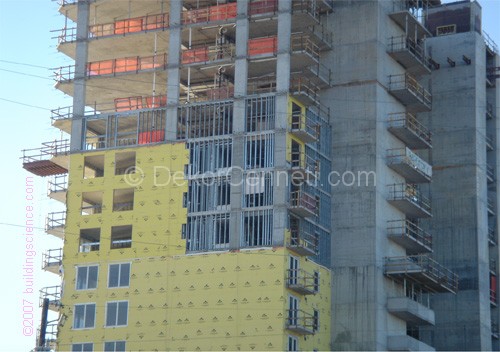
Before starting the thermal insulation application, the surface to be insulated must be cleaned and prepared for the application. Surface imperfections should be repaired at this stage. The second stage of exterior insulation consists of placing baseboard profiles (starter tracks). Placed in accordance with the thickness of the insulation board to be used, a 50 cm gap is left between the baseboard profiles. After this stage, the bonding stage begins. The thermal insulation boards are properly adhered to the surface. It is extremely important to use a sufficient amount of cement-based adhesive at this stage.
Bonding is followed by doweling. After the adhesive mortar is completely dry, doweling is performed to fix the thermal insulation boards to the surface. Thermal insulation dowels with plastic nails are used for doweling. The most important point to consider in doweling is to increase the number of dowels at the building corners as you go to upper floors. The general rule in the application is to increase the number of dowels used every three floors by 20%. After the doweling process is completed, corner profiles are applied. Profiles are applied to all corners, such as window edges and building corners. Corner profiles prevent the thermal profiles from separating from each other over time. At the same time, they give an aesthetic appearance to the corners.
Following the doweling, the plaster and mesh application is carried out. The plaster and mesh are applied consecutively. The mesh is laid onto the plaster before it dries, embedding the mesh into the plaster as you progress. Once this process is completed, the plaster is left to dry. A primer is applied over the dried plaster. The color of the primer to be used must match the color of the final topcoat. The primer should be applied generously and cover any imperfections on the surface. The final topcoat is applied over the dried primer. Depending on preference, a grooved, textured, or patterned topcoat is applied. After all these steps, the thermal insulation application is completed with exterior painting.
Thermal Insulation Prices
Thermal insulation prices vary from company to company, as well as depending on the type and quality of the thermal insulation materials used. The application price is calculated per square meter. The area to be treated is calculated, and the total cost is determined based on the price per square meter. If you have decided to have thermal insulation installed, you should definitely request a preliminary survey service from the insulation company. Through the preliminary survey, the surfaces of the building that require insulation are measured, and the total price is calculated based on the unit price. One of the factors affecting thermal insulation prices is whether services such as floor insulation and roof insulation are included in the exterior insulation. If floor and roof insulation services are to be received alongside exterior thermal insulation, the total price is determined by taking all applications into consideration.
How to choose a thermal insulation company? First of all, the preferred company must have strong references. The insulation projects previously carried out by the company should serve as examples in the sector. The insulation company must provide professional service from management to the engineering team, and from on-site personnel to accounting. It must have sufficient knowledge and equipment regarding the application, and must operate professionally in the field of thermal insulation. The insulation company should be able to provide a warranty for the work it has done. Companies that offer a sufficient warranty period regarding both the quality of the materials used and the professionalism of the workmanship should be preferred. Care should be taken to ensure that the chosen company provides a free preliminary survey service. Instead of working with companies that quote prices off the top of their heads without making any survey, you should work with companies that provide professional service at every stage. Before starting the insulation work, a business contract must be signed with the company, and it must be ensured that all information regarding the application details is fully included in the contract.